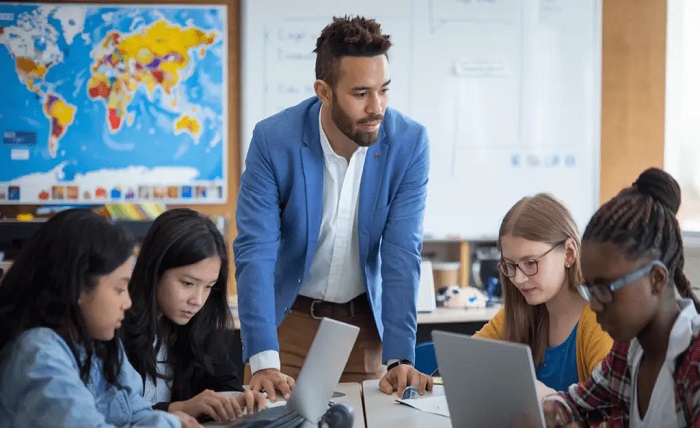
Classroom sx is a term that can be interpreted as the integration of sensitive, structured, and educational discussions within a learning environment, particularly around topics like personal development, communication, and social awareness. In modern education, classroom sx emphasizes creating a respectful and inclusive atmosphere where students feel safe to learn and express themselves. Rather than being controversial, classroom sx is about equipping learners with knowledge, emotional intelligence, and interpersonal skills.
Educators today recognize that classroom sx is not limited to a single subject but spans across disciplines, helping students understand boundaries, empathy, and responsible behavior. By incorporating classroom sx into lessons, teachers can foster a more holistic educational experience that prepares students for real-world challenges. This approach also encourages open dialogue, reducing stigma around important topics that students may otherwise hesitate to discuss.
Another key aspect of classroom sx is adaptability. Every classroom is unique, and teachers must tailor their methods to suit the cultural, social, and emotional needs of their students. This ensures that classroom sx remains relevant, respectful, and impactful for all learners involved.
The Importance of Classroom SX in Modern Education
Classroom sx plays a crucial role in shaping well-rounded individuals. In a rapidly changing world, students need more than academic knowledge—they need life skills, awareness, and confidence. Classroom sx helps bridge this gap by introducing discussions that promote understanding and respect among peers.
One of the major benefits of classroom sx is that it encourages students to ask questions and seek clarity. When students feel comfortable discussing sensitive topics in a structured environment, they are more likely to develop critical thinking skills and emotional maturity. Classroom sx also helps reduce misinformation, as students receive accurate and age-appropriate information from trusted educators.
Furthermore, classroom sx contributes to building a positive school culture. When respect and inclusivity are emphasized, incidents of bullying, discrimination, and misunderstanding tend to decrease. This creates a supportive environment where every student can thrive academically and socially.
Strategies for Implementing Classroom SX Effectively
Implementing classroom sx requires thoughtful planning and a student-centered approach. Teachers must first establish trust and set clear guidelines for respectful communication. This ensures that classroom sx discussions remain constructive and inclusive.
Interactive teaching methods are highly effective in classroom sx. Activities such as group discussions, role-playing, and scenario analysis allow students to engage actively with the subject matter. These methods make classroom sx more relatable and easier to understand.
Another important strategy is using age-appropriate content. Classroom sx should be tailored to the developmental stage of students, ensuring that the information is relevant and understandable. Teachers should also be prepared to address questions sensitively and accurately.
Technology can also enhance classroom sx. Digital tools, videos, and online resources can provide additional perspectives and make learning more engaging. However, educators must ensure that all materials used in classroom sx are credible and appropriate.
Challenges Faced in Classroom SX and How to Overcome Them
Despite its importance, classroom sx can present several challenges. One common issue is cultural sensitivity. Different communities may have varying perspectives on topics discussed in classroom sx, making it essential for educators to approach the subject with respect and awareness.
Another challenge is student discomfort. Some learners may feel shy or hesitant to participate in classroom sx discussions. Teachers can address this by creating a non-judgmental environment and encouraging voluntary participation rather than forcing students to speak.
Lack of proper training is another obstacle in classroom sx. Educators may feel unprepared to handle sensitive topics effectively. Professional development programs and workshops can help teachers gain the confidence and skills needed for successful classroom sx implementation.
Parental concerns can also arise when it comes to classroom sx. Clear communication with parents about the objectives and content of classroom sx can help build trust and ensure transparency. Schools should involve parents in the process to create a collaborative approach to education.
The Role of Teachers in Classroom SX
Teachers are the cornerstone of effective classroom sx. Their attitude, approach, and communication style significantly influence how students perceive and engage with the subject. A teacher who is open, respectful, and knowledgeable can make classroom sx a positive and enriching experience.
One key responsibility of teachers in classroom sx is to provide accurate information. Misinformation can lead to confusion and misconceptions, so educators must rely on credible sources and evidence-based content. This ensures that classroom sx remains informative and reliable.
Teachers also play a vital role in fostering inclusivity. Classroom sx should reflect diverse perspectives and experiences, allowing all students to feel represented and valued. This helps create a sense of belonging and encourages active participation.
Additionally, teachers must be attentive to students’ emotional responses during classroom sx discussions. Some topics may evoke strong feelings, and educators should be prepared to offer support and guidance when needed.
Benefits of Classroom SX for Students
Classroom sx offers numerous benefits that extend beyond the classroom. One of the most significant advantages is improved communication skills. Students learn how to express their thoughts clearly and listen to others with empathy and respect.
Another benefit of classroom sx is increased self-awareness. By engaging in meaningful discussions, students gain a better understanding of themselves and their values. This contributes to personal growth and confidence.
Classroom sx also promotes critical thinking. Students are encouraged to analyze information, question assumptions, and form their own opinions. This skill is essential for navigating complex situations in life.
Moreover, classroom sx helps build stronger relationships among students. When learners understand and respect each other’s perspectives, they are more likely to collaborate effectively and support one another. This creates a positive and inclusive learning environment.
Future Trends in Classroom SX
As education continues to evolve, classroom sx is expected to become even more dynamic and inclusive. One emerging trend is the integration of technology. Virtual classrooms, interactive apps, and online resources are making classroom sx more accessible and engaging.
Another trend is the focus on global perspectives. Classroom sx is increasingly incorporating diverse cultural viewpoints, helping students develop a broader understanding of the world. This prepares them for global citizenship and cross-cultural communication.
Personalized learning is also shaping the future of classroom sx. Educators are using data and feedback to tailor lessons to individual student needs, ensuring that classroom sx remains relevant and effective.
Additionally, there is a growing emphasis on mental health and well-being within classroom sx. Schools are recognizing the importance of addressing emotional and psychological aspects of learning, creating a more holistic approach to education.
Best Practices for Sustaining Classroom SX
Sustaining classroom sx requires ongoing effort and commitment from educators, schools, and communities. One best practice is continuous professional development. Teachers should regularly update their knowledge and skills to keep classroom sx effective and relevant.
Collaboration is another key factor. Schools can work with experts, counselors, and organizations to enhance classroom sx programs. This ensures that students receive comprehensive and accurate information.
Feedback from students is also valuable in improving classroom sx. By understanding what works and what doesn’t, educators can refine their approaches and make classroom sx more engaging and impactful.
Consistency is essential as well. Classroom sx should not be a one-time lesson but an ongoing part of the curriculum. This helps reinforce concepts and ensures long-term understanding.
Conclusion
Classroom sx is an essential component of modern education, offering students the knowledge, skills, and confidence they need to navigate life effectively. By creating a safe and inclusive environment, classroom sx encourages open dialogue, critical thinking, and personal growth.
Despite its challenges, classroom sx can be successfully implemented through thoughtful strategies, proper training, and collaboration. Teachers play a vital role in shaping the effectiveness of classroom sx, ensuring that it remains respectful, informative, and engaging.
As education continues to evolve, classroom sx will play an increasingly important role in preparing students for the future. By embracing innovation and inclusivity, educators can make classroom sx a powerful tool for learning and development.
FAQs
1. What does classroom sx mean?
Classroom sx refers to structured and respectful discussions in educational settings that focus on personal development, communication, and social awareness.
2. Why is classroom sx important in schools?
Classroom sx helps students develop critical life skills, promotes inclusivity, and creates a safe environment for open discussions.
3. How can teachers effectively implement classroom sx?
Teachers can use interactive methods, age-appropriate content, and create a respectful environment to ensure successful classroom sx.
4. What challenges are associated with classroom sx?
Common challenges include cultural sensitivity, student discomfort, lack of training, and parental concerns.
5. How does classroom sx benefit students?
Classroom sx improves communication, enhances self-awareness, promotes critical thinking, and fosters positive relationships among students.